
How to Equalize Ear Pressure: 10 Scuba Diving Tips (DAN Study)
Equalization of the middle ear is an essential skill for any diver. The deeper you go, the more the ambient water pressure increases, and you must rebalance this pressure to avoid pain and injury. Based on studies from the Divers Alert Network (DAN), here is how to master equalization perfectly.
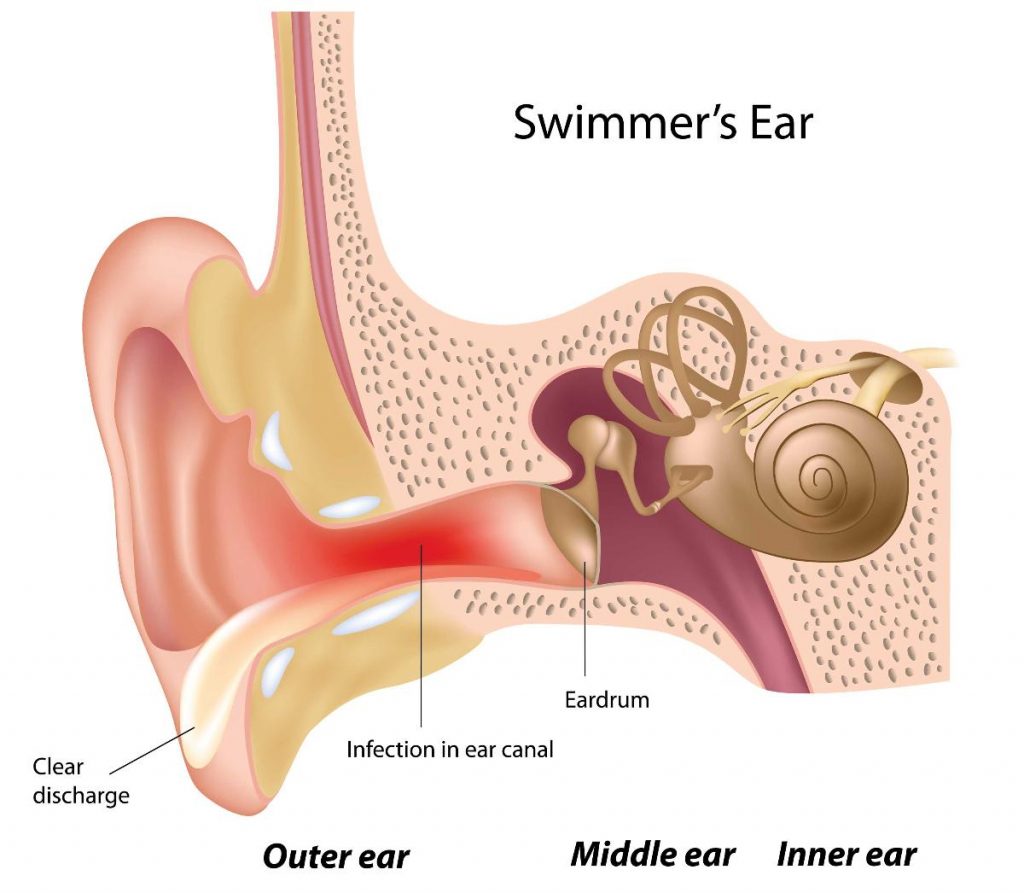
Ear Anatomy for Divers
10 Tips for Easy Ear Balancing ⚖️
Divers who have difficulty equalizing will find it extremely helpful to master several of these techniques. Remember, this is the only real physical constraint when we dive.

The Danger Zone: Homemade Remedies 🚫
As a professional PADI 5★ Dive Resort, we need to address a dangerous myth.
Many people, sometimes even misguided instructors, will offer "homemade" techniques to protect your ears — such as pouring in oil, alcohol, or vinegar before a dive. YOU MUST NOT DO IT.
Any dive doctor will tell you that the impact is terrible and can permanently ruin your ability to dive. Do not use these "shaman techniques." No external product will help you equalize your ears.
Frequently Asked Questions About Equalization
Why do my ears hurt when scuba diving?
As you descend, water pressure increases and pushes against your eardrum. If you don't equalize the pressure by adding air to your middle ear through the Eustachian tubes, the pressure causes pain and potential barotrauma.
What should I do if my ears hurt while diving?
Stop descending immediately. Never try to push through the pain. Ascend a few feet until the pain stops, and try to equalize gently again. Signal your dive buddy or guide so they know what is happening.
Can I put oil or vinegar in my ears before diving?
No! Medical professionals strongly advise against putting any homemade remedies like oil, alcohol, or vinegar in your ears. These techniques can cause severe damage, infections, and potentially ruin your ability to dive forever.
Does chewing gum help with ear equalization?
Yes, chewing gum for a few hours before your dive helps to continuously open and clear your Eustachian tubes, making equalization easier once you are underwater.
About Dragon Dive Komodo 👋
We are a PADI 5★ IDC Dive Resort based in Labuan Bajo, Flores. Ear equalization is one of the very first things we teach our students. Whether you are taking your first breaths underwater in a PADI Open Water Course, or you are an experienced diver looking to explore the currents of Komodo National Park safely, our instructors are here to guide you.
Ready to Master Your Scuba Skills?
Join us in the crystal-clear waters of Komodo National Park. We offer daily dive trips, beginner courses, and professional training in one of the most biodiverse marine environments on Earth.
