
Dangerous Marine Life: The Survival Guide ⚠️
The ocean is beautiful but demands respect. From invisible jellyfish to the tiny-but-deadly Blue-Ringed Octopus, here is how to avoid injuries and what to do if the worst happens.
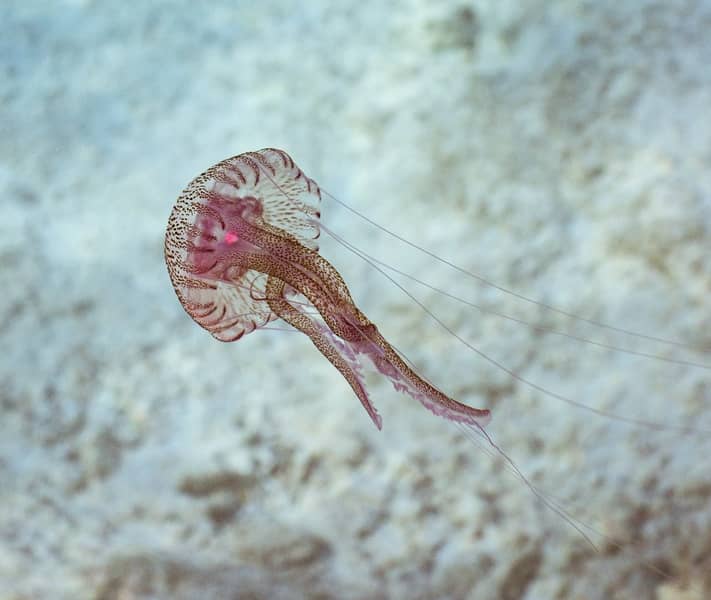
1. Jellyfish
Transparent and silent, jellyfish are the most common hazard. Their tentacles contain nematocysts (microscopic barbs) that inject toxins on contact.
2. Remove tentacles with tweezers.
3. Apply Heat (45°C) for pain relief.
4. Do NOT rub.
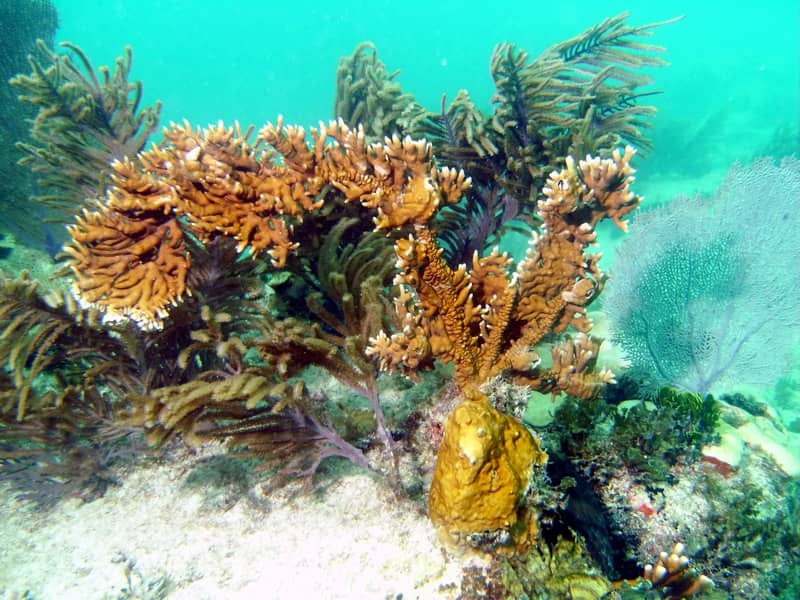
2. Coral Scrapes & Fire Coral
Often caused by poor buoyancy. Fire coral isn't true coral but a hydrozoa that delivers a painful burn upon contact.
2. Apply vinegar (for Fire Coral).
3. Use antibiotic cream (Gentamicin).
4. Monitor for infection.
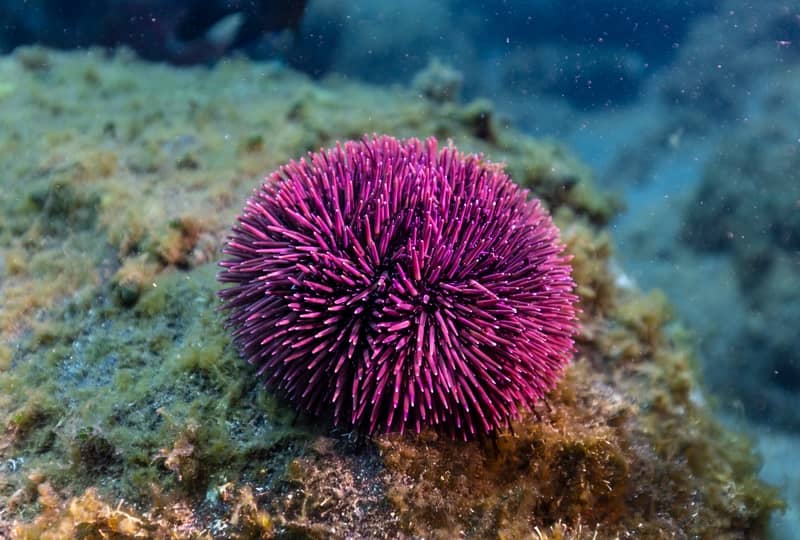
3. Sea Urchins
A common hazard for those entering from shore. Their brittle spines puncture skin easily and break off inside.
2. Carefully remove protruding spines.
3. Leave deep spines; body will dissolve them.
4. Antiseptic wash.
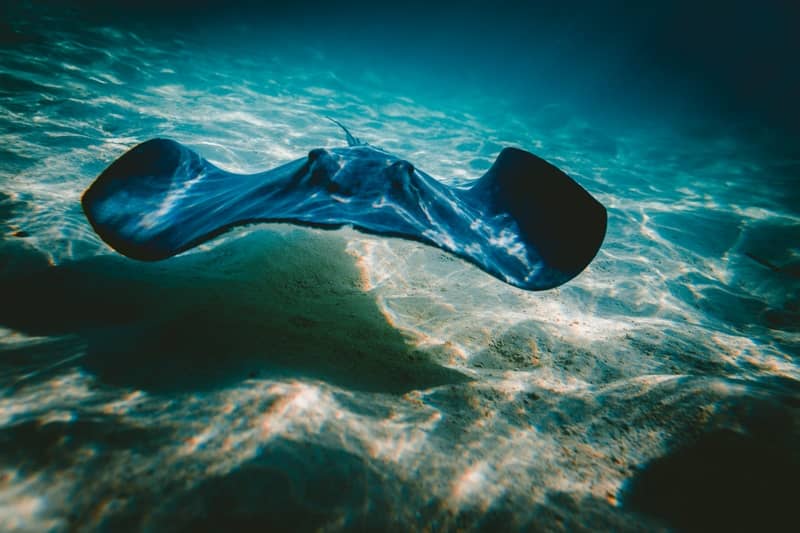
4. Stingrays
Rarely aggressive unless stepped on. The barb at the base of the tail causes a deep puncture and releases venom.
2. Remove visible barbs (unless deep).
3. Clean wound.
4. Seek hospital care (infection risk).
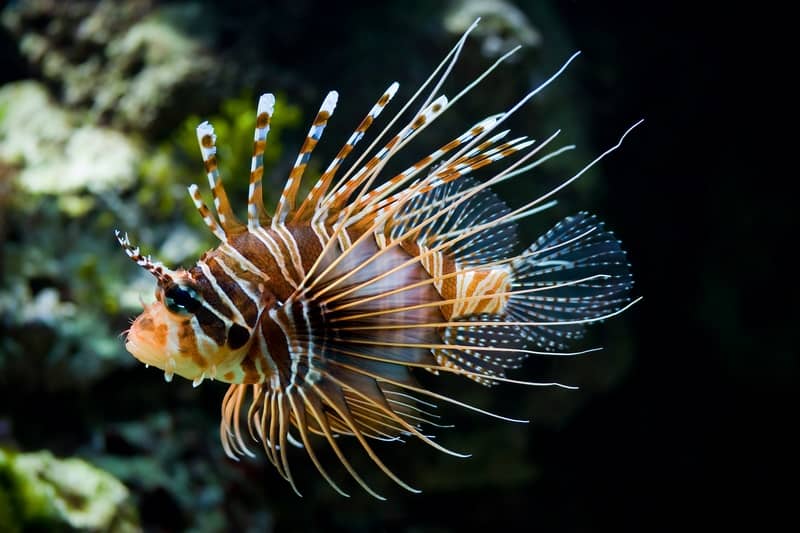
5. Lionfish
Beautiful but defended by 18 venomous spines. Injuries often happen to photographers getting too close.
2. Soak in HOT water (45°C) for 30 mins.
3. Monitor breathing.
4. Medical attention if allergic.
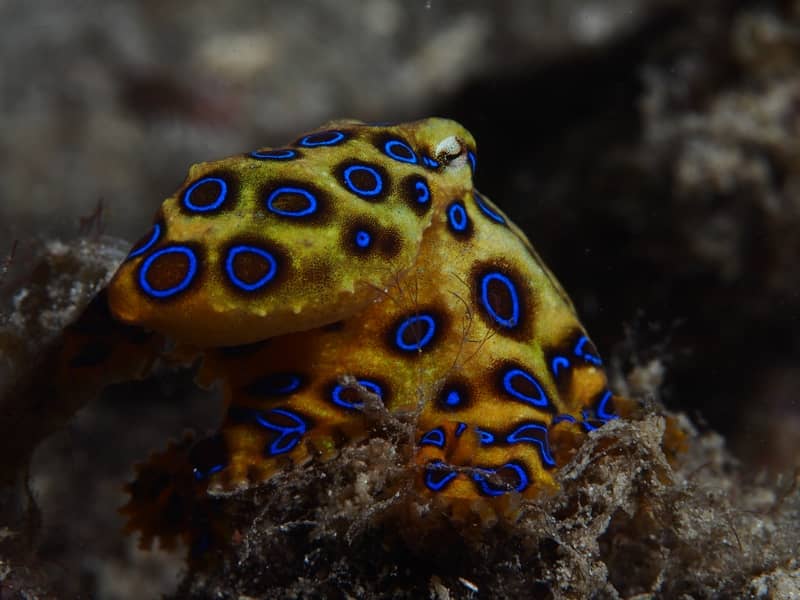
6. Blue-Ringed Octopus ☠️
The most dangerous animal on this list. Tiny, docile, but deadly. When threatened, its blue rings pulse. It carries Tetrodotoxin (TTX)—enough to kill 26 humans.
2. CPR immediately if breathing stops.
3. Continue CPR until hospital (Life Support).
4. NO Anti-Venom exists. You must keep the victim alive until the toxin wears off (24h).
The #1 Way to Avoid Injury? Buoyancy.
Most accidents happen when divers crash into the reef. Master your hover to protect yourself and the ocean.
