
The 7 best hidden dive sites in Indonesia (for divers who hate crowds)
Looking for the best hidden dive sites in Indonesia? Most divers start with the same names, but the real magic often begins where the dive traffic drops, the logistics get slightly more adventurous, and the reefs still feel personal. This guide covers the best lesser-known dive destinations in Indonesia — from remote current-swept archipelagos to macro-rich islands and one strategic classic: Komodo, which remains the smartest base if you want world-class diving with easier access, training options and liveaboard choices.
Quick answer: which hidden Indonesia dive destination is right for you?
- Alor: best for remote diving, strong biodiversity and a true expedition feel.
- Bangka & Belitung: best for macro lovers, easy reefs and unusual granite scenery.
- Sumbawa: best for adventurous divers who want wild landscapes and fewer boats.
- Wakatobi: best for underwater photographers and divers obsessed with coral health.
- Halmahera: best for quiet, under-dived reefs and a real off-grid feeling.
- Triton Bay: best for soft corals, fish density and serious West Papua dream trips.
- Komodo: best all-round choice if you want easier logistics, big-animal encounters, daily diving, courses and liveaboard options from one base.
Indonesia is not just about ticking famous dive sites off a list. It is one of the few countries in the world where you can still choose between remote archipelagos, quiet reefs, macro hotspots, current-heavy channels and lightly visited marine parks — often within the same broad region.
So if your idea of a good trip is fewer crowds, more reef time, and destinations that still feel like discoveries rather than content farms, these are some of the best hidden dive destinations in Indonesia to start with.
Alor archipelago: Indonesia’s best-kept dive secret
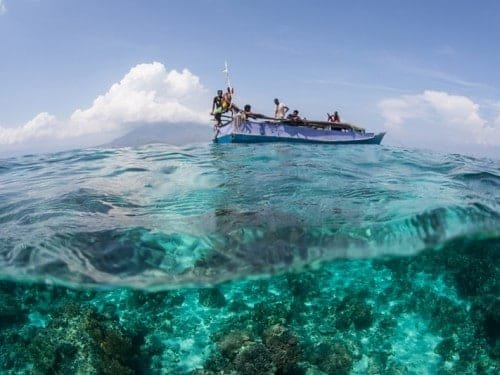
Why divers love Alor
Alor is one of those destinations that instantly feels more remote than the better-known names in Indonesia. Strong water movement, healthy reefs and relatively light dive traffic make it ideal for divers who want a destination that still feels raw and underexposed.
What makes the diving special
Expect a mix of coral slopes, walls, current-fed sites and photogenic marine life. Alor appeals to divers who enjoy that constant feeling of possibility: macro on one dive, bigger action on the next, and long periods underwater without the sense that you are sharing the reef with everyone else.
Best for
Alor is best for adventurous recreational divers, underwater photographers and anyone who wants a genuine “far from the crowd” Indonesia dive trip without giving up biodiversity.
Bangka & Belitung Islands: macro heaven and granite treasures
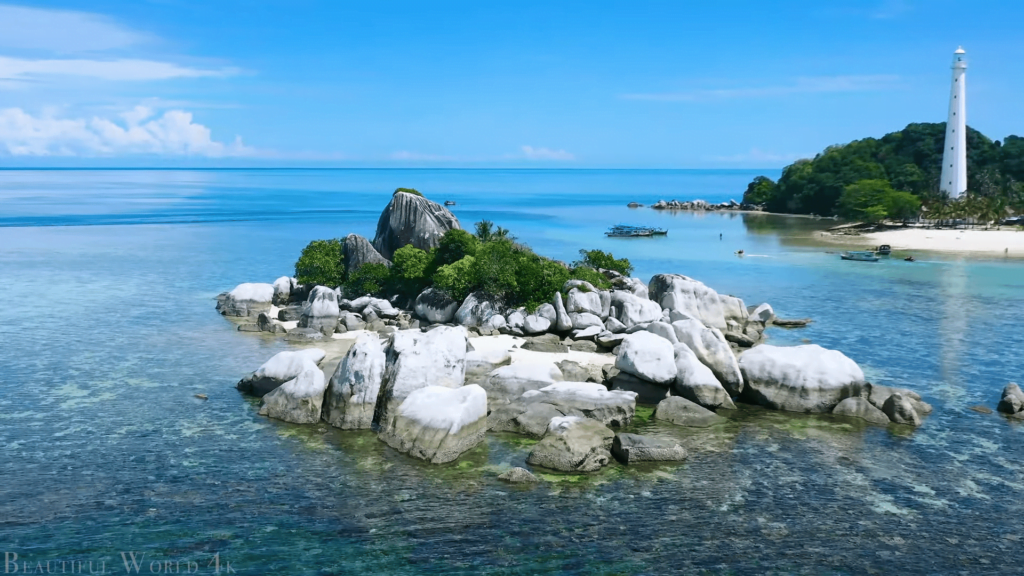
A quieter side of Indonesian diving
Bangka and Belitung are not usually the first names people mention when talking about scuba diving in Indonesia, which is exactly why they deserve attention. These islands offer a slower rhythm, calmer atmosphere and a refreshing contrast to the busier dive circuits.
Why underwater photographers should care
The area is especially interesting for divers who enjoy macro, reef textures and unusual underwater topography. Soft corals, reef fish, small critters and the dramatic presence of granite boulders create scenes that feel visually distinct from many other Indonesian destinations.
Best for
Bangka & Belitung work well for divers who want easy-going exploration, varied reef life and a destination that feels scenic both above and below the waterline.
Sumbawa: a playground for adventure seekers
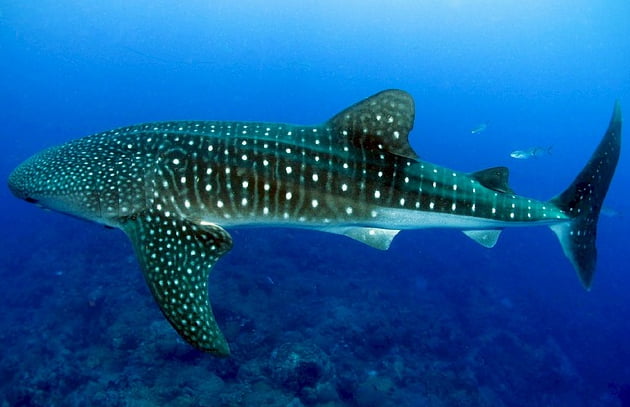
Sumbawa sits between Lombok and Flores, but it often gets skipped by divers moving too quickly between bigger-name stops. That is a mistake. For adventurous travellers, Sumbawa can deliver the kind of trip that feels open, untamed and genuinely exploratory.
Why it stands out
The appeal of Sumbawa is not just the diving itself, but the whole atmosphere around it: fewer crowds, big coastal landscapes, interesting islands nearby and a sense that you are travelling through a place rather than simply consuming a product.
Moyo and Satonda add variety
Nearby islands such as Moyo and Satonda make the region more compelling, especially if you like combining reef dives with boat-based exploration, beaches and a more varied route.
Best for
Sumbawa is a great choice for divers who value adventure, mixed itineraries and places that still feel lightly touched by mass tourism.
Wakatobi National Park: a dream for underwater photographers
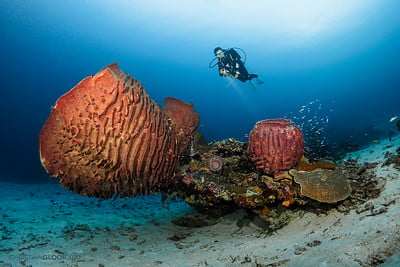
Wakatobi is not unknown to experienced divers, but compared with the biggest buzz destinations in Indonesia it still feels more selective and more purpose-driven. People go there because they care about reef quality, visibility and the pleasure of slow, deliberate diving.
Why photographers rate it so highly
If your ideal dive trip involves long bottom times spent watching reef detail, colour transitions, fish behaviour and coral structure, Wakatobi has obvious appeal. It is one of those destinations where the reef itself is the main event.
Best for
Wakatobi suits underwater photographers, coral lovers, experienced travellers and divers who prefer quality and consistency over adrenaline alone.
Halmahera: a sanctuary for divers in the Maluku Islands
One of the quietest choices on this list
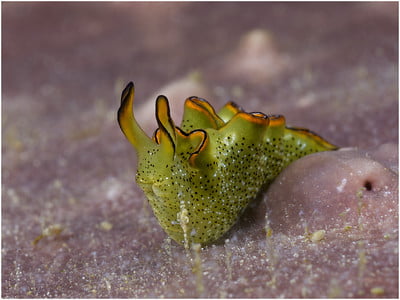
If your dream is to dive places that still feel genuinely under-dived, Halmahera deserves a place high on your list. It has that rare quality of combining serious reef potential with a real sense of distance from mainstream dive routes.
The emotional side of remote diving
Halmahera is not just about ticking species off a slate. It is about the atmosphere of the dives: quiet descents, healthy-looking reefs, fewer boats and the feeling that the ocean is still allowed to take up space without too much human noise around it.
Best for
Halmahera is best for divers who care about quiet water time, less-developed destinations and the feeling of being somewhere genuinely different.
Triton Bay: a coral kaleidoscope in West Papua
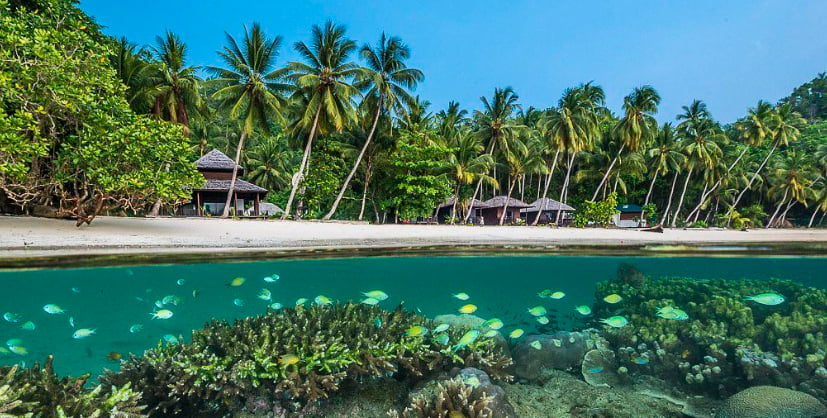
Triton Bay is often mentioned in conversations about dream itineraries rather than easy holidays, and that is part of the appeal. Located in West Papua, it attracts divers who are willing to go further for denser reefs, stronger visual impact and that unmistakable expedition mood.
Why it leaves such a strong impression
Soft coral growth, fish life and dramatic underwater colour give Triton Bay a very high “wow” factor. It is one of those places where even experienced divers come back speaking less about one specific highlight and more about the overall richness of the dives.
Best for
Triton Bay is best for divers planning a serious Indonesia trip, especially those already drawn to West Papua and willing to accept more complex logistics in exchange for extraordinary underwater scenery.
Komodo National Park: not secret, but still the smartest base in Indonesia
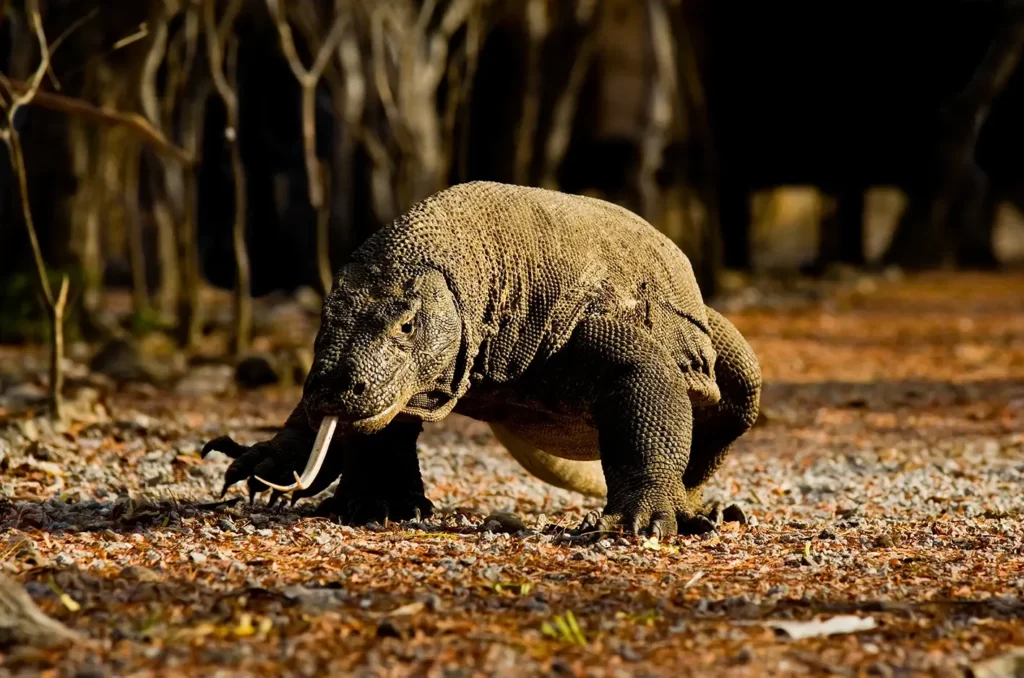
Let’s be honest: Komodo is not a hidden dive destination anymore. So why include it in a guide about hidden diving in Indonesia? Because for many divers, Komodo is the place where the country’s biggest strengths become easiest to access from one single base.
If you want strong biodiversity, varied site difficulty, easier logistics, resort-based daily diving, liveaboard options and training on-site, Komodo is probably the most efficient dive destination in eastern Indonesia. It is the “smart choice” on this list: not secret, but incredibly complete.
Why Komodo belongs in this list anyway
Komodo gives you range. You can build a trip around mellow coral gardens, manta sites, current-heavy drifts, pinnacles, macro, photography, beginner-friendly training or more advanced profiles — all within one destination. That flexibility is rare.
Why it works so well as a base
Labuan Bajo makes Komodo unusually practical compared with many other elite dive areas in Indonesia. You can stay on land, dive daily from a resort, move onto a liveaboard, train from beginner to pro level, or combine several formats in the same trip without changing regions entirely.
Useful Komodo planning links
Hidden diving in Indonesia is still worth the effort
The best hidden dive sites in Indonesia are not “hidden” because they lack quality. They are hidden because they usually ask a little more from you: more planning, more curiosity, sometimes longer transfers and more flexibility.
In return, they often give you exactly what many divers say they want but struggle to find: healthier-feeling reefs, fewer crowds, more authentic travel and the impression that the trip still belongs to you rather than to an algorithm.
So where should you start?
If you want the most remote feel, look at Alor, Halmahera or Triton Bay. If you love slower reef observation and photography, Wakatobi or Bangka & Belitung make sense. If you want the strongest combination of logistics, reef variety, training and day-to-liveaboard flexibility, Komodo is hard to beat.
