Muck Diving: The Search for the Weird & Wonderful
Forget the sharks for a moment. In the black sand of Indonesia lies a microscopic world of alien-like creatures waiting to be discovered.
Dive Macro in Komodo🔎 What is Muck Diving?
Why Indonesia is the "Critter Capital" 🇮🇩
Indonesia is part of the Coral Triangle, the center of global marine biodiversity. Its volcanic origins create nutrient-rich black sand slopes that serve as the perfect habitat for evolution's strangest experiments. While divers often flock to the coral reefs, the "muck" hides treasures that are impossible to find elsewhere.
Masters of Camouflage
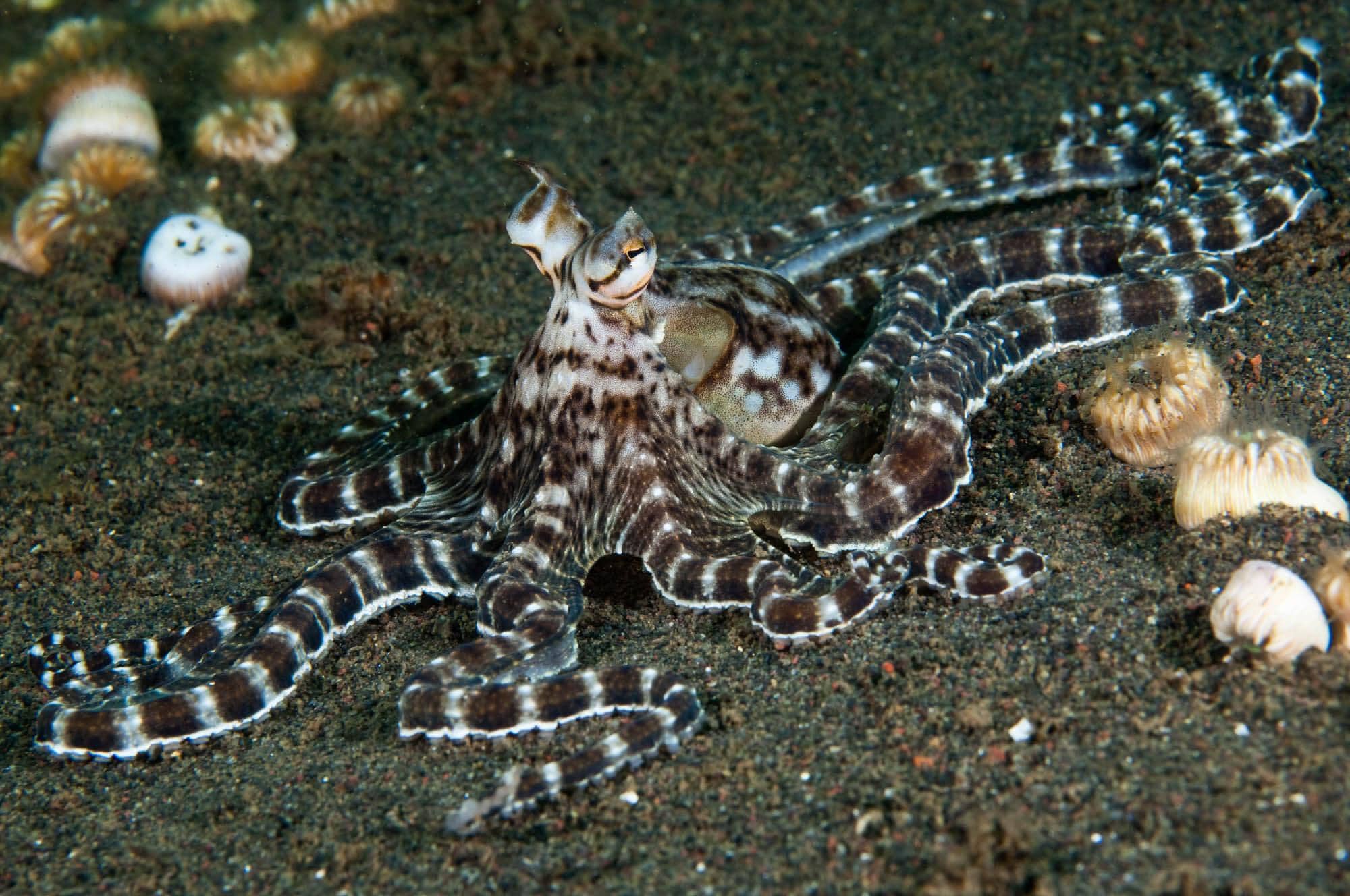
From the Mimic Octopus taking the shape of a lionfish to the Ornate Ghost Pipefish blending into crinoids, muck diving is a game of hide and seek.
Night Time Magic
When the sun sets, the muck comes alive. Stargazers ambush prey from the sand, Bobtail squids glow, and Decorator Crabs scuttle across the floor.
Photographer's Dream
The stable, shallow bottom and slow-moving subjects make muck sites perfect for macro photography. Take your time to get that award-winning shot.
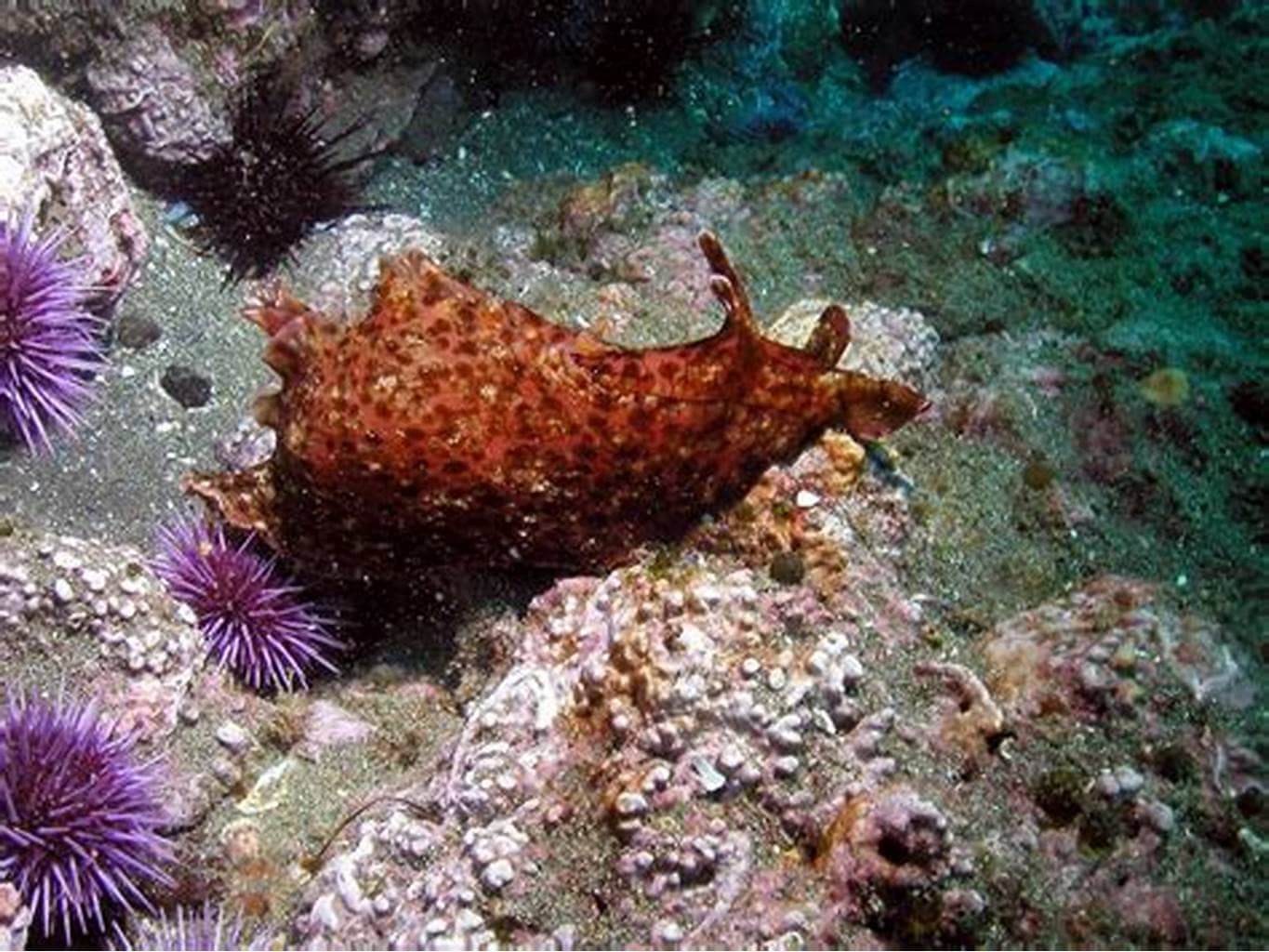
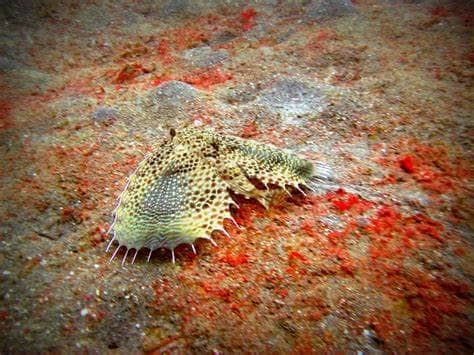
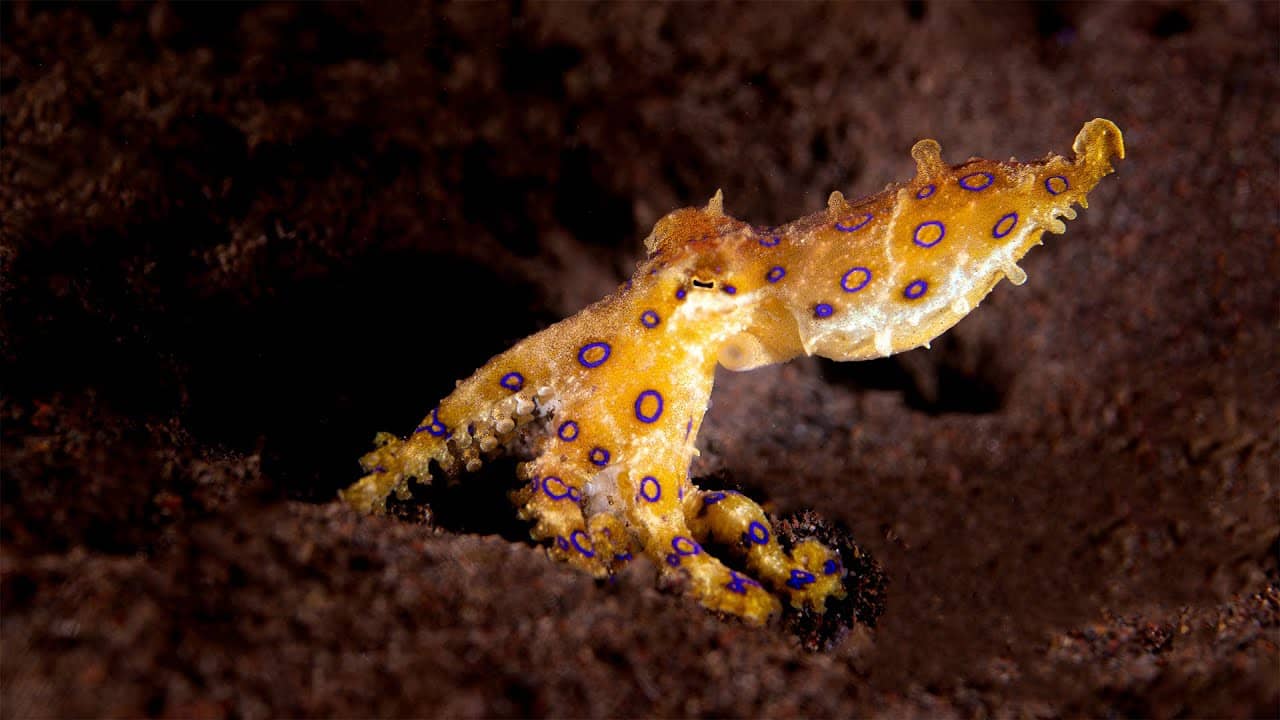
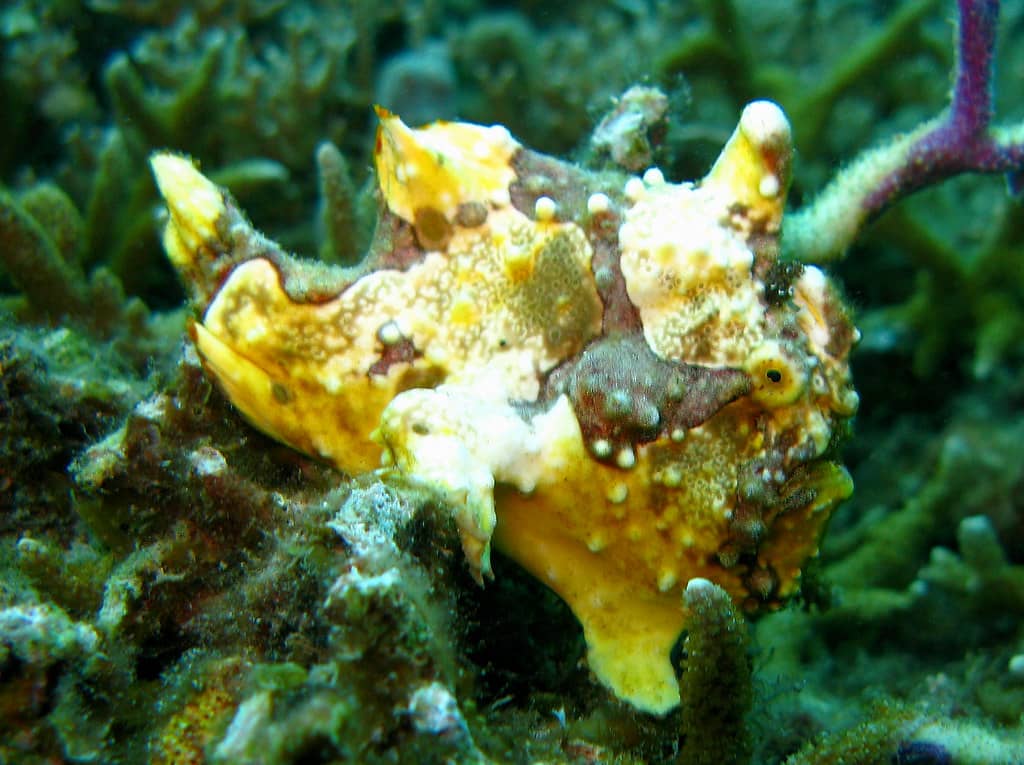
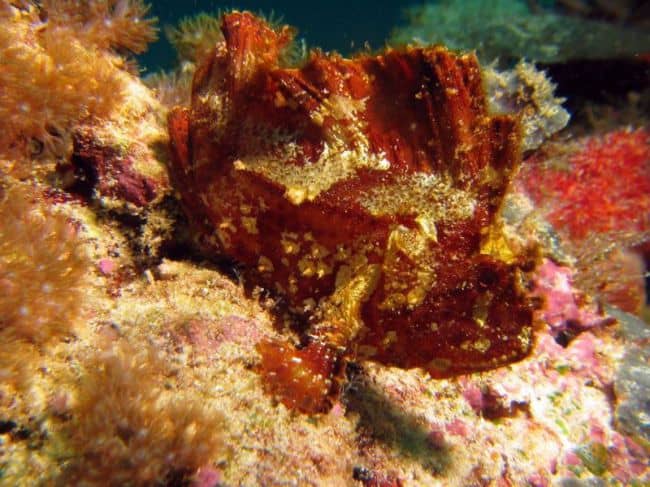
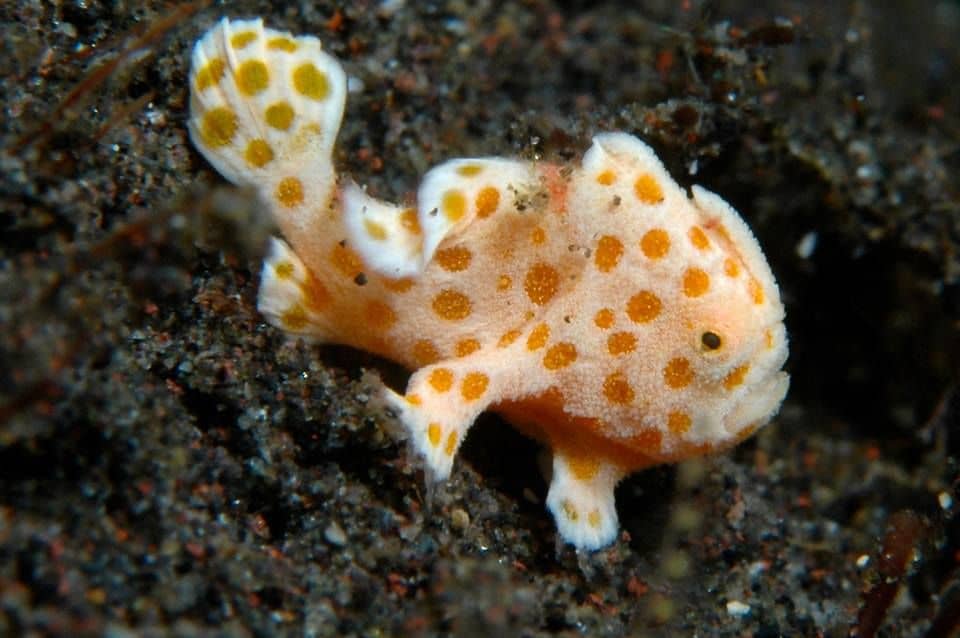
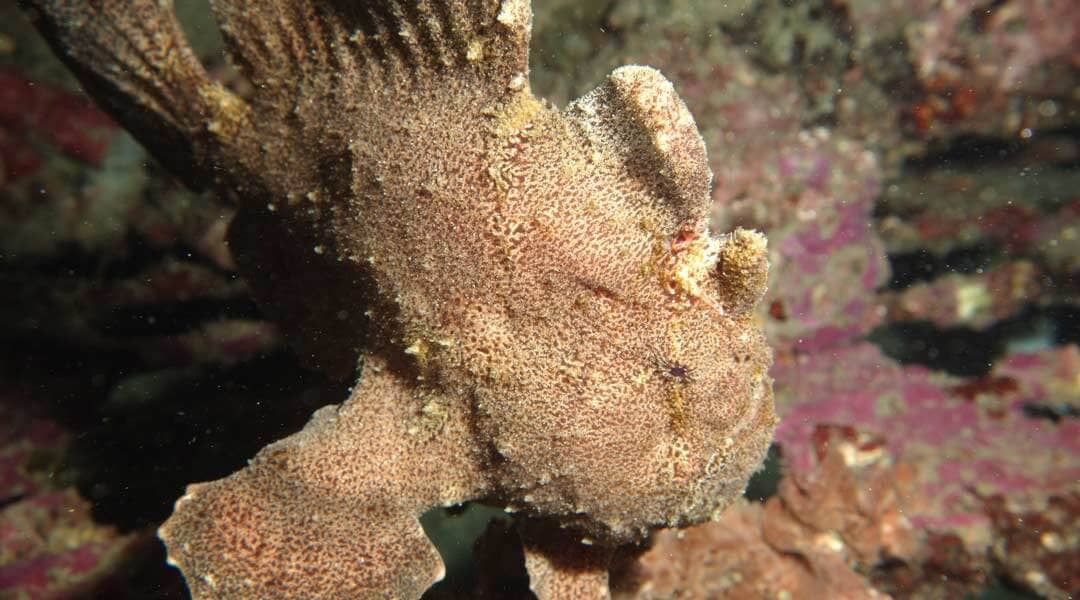
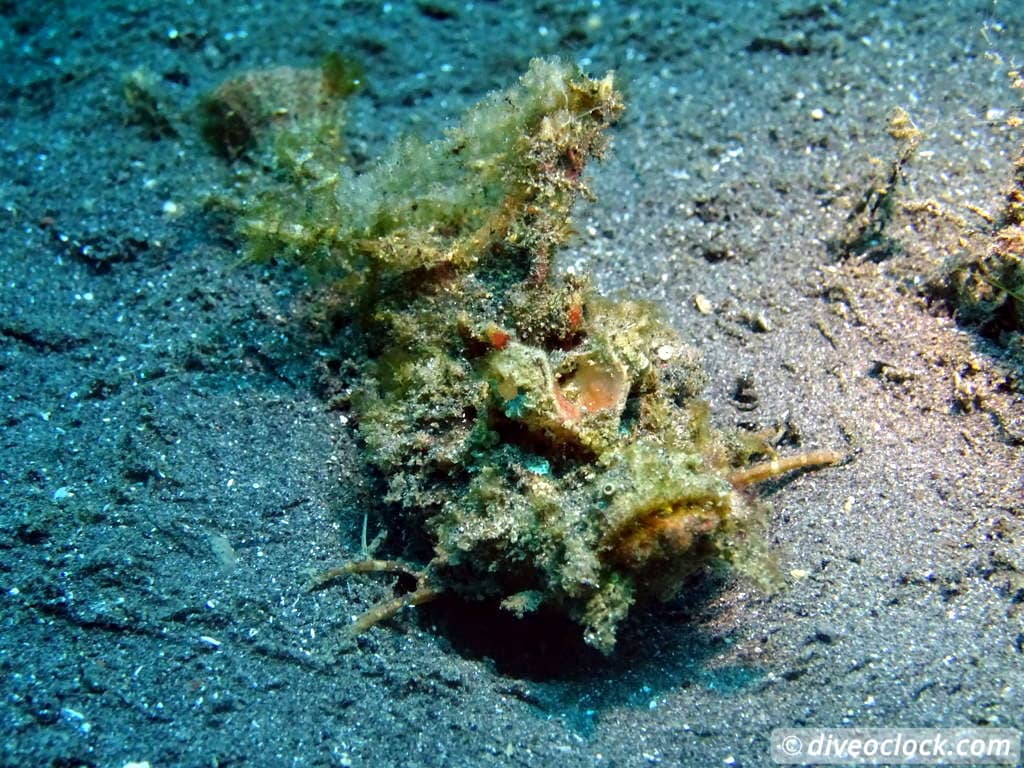
Critter Gallery: Who lives in the Muck?
A glimpse of what awaits you on the sandy slopes of Indonesia.
Top Muck Destinations
- Lembeh Strait (Sulawesi): The undisputed king of muck diving.
- Tulamben (Bali): Famous for the Liberty Wreck, but the black sand slopes hold amazing macro life.
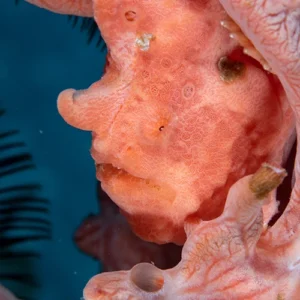
- Ambon: Home to the psychedelic frogfish.
🐲 Muck Diving in Komodo? Yes!
While famous for currents and mantas, Komodo National Park has hidden macro gems. Sites like Wainilu and Siaba Kecil offer world-class muck diving without the crowds. Spot Mandarin Fish, Zebra Crabs, and Flamboyant Cuttlefish right here with Dragon Dive.
Citizen Science & Conservation
Muck divers are often the first to spot new species. By recording your sightings and practicing responsible diving (no touching, good buoyancy), you contribute to science. Organizations like Reef Check use diver data to monitor ecosystem health. Be a diver with a purpose!
FAQ
Do I need a special certification?
What camera lens should I bring?
Find the Small Stuff in Komodo
Join our expert guides to uncover the hidden critters of the park.